By Citius Mag Staff
September 30, 2026
Everyone knows marathons are hard, whether they’ve run one or not. Covering 26.2 miles as fast as you possibly can isn’t exactly a casual sort of weekend pastime, and between fancy carbon-plated shoes, travel fees, luxury fueling, and skyrocketing race entries, it can be a pretty darn costly one as well.
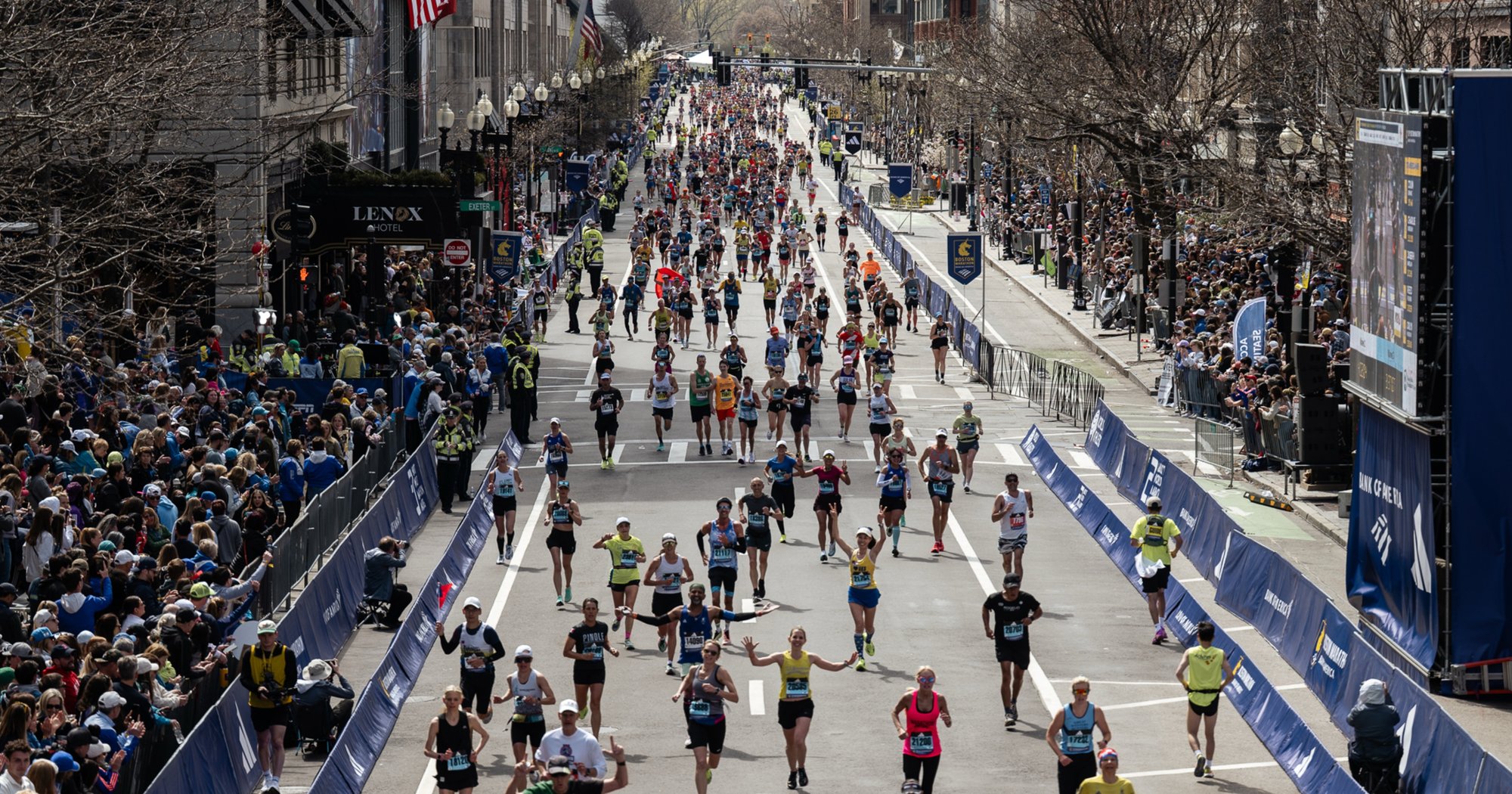
Putting on a marathon race is hard as well. The larger the marathon, the larger the challenges that come with it. Two of the largest races in the country this week made headlines for policy updates that reflect the enormous scale and constraints that putting on a major race requires. Yesterday, the New York City Marathon announced a number of restrictions in place to on-course spectating, including a prohibition of unauthorized cheer zones, limits on decor like chalking and banners, and re-upping bans of things like drones and alcoholic beverages.
The same day, Boston announced that the cutoff for its famous qualifier program was a whopping 5:17 under the posted marks, meaning men under 35 now officially have to run under 2 hours and 50 minutes to BQ. The last time Boston increased its qualifying marks by five minutes across the board, there was an uproar of discourse around elitism, fairness, and accessibility of the sport… and within a few years, the de facto cutoff is more than five minutes faster than that.
In many ways, both updates are a sign that the latest running boom is alive and well. Running brands having a huge customer base that is growing in both size and passion is good for everyone, from elite athletes to lowly newsletter writers and everyone between who makes some part of their living in the sports economy. A lot of people want to run Boston! And a lot of people want to cheer for New York! Those are both great signs of the overall health of the industry, even if it forces race organizers to make decisions that are not universally adored.
Common-sense safety and crowd control measures are part of every major road race, essential to ensuring that anyone who participates or watches can have a good time. In particular, restrictions on party accessories like confetti, streamers, balloons, and banners make a lot of sense in a city that’s not just a race course, it’s also, y’know, a place where millions of people live, work, and pay taxes. Ensuring that today’s fun is not tomorrow’s expensive mess is an important stewardship role of any host organization. And technically, it’s always illegal for civilians to fly a drone in New York City.
Now that we’ve gotten the necessary nerdery out of the way, remember, watching sports is supposed to be fun.
Anyone who’s ever been to an SEC tailgate or a World Series parade can tell you that a huge component of fandom has nothing to do with what’s happening during the sporting event itself; it’s about the party before and after. Watching marathons like Boston or NYC is an event in and of itself, even if you have no interest in elite marathoning or personal connection to the athletes on the course, because of the atmosphere and celebratory air they bring to a community. So while it’s incumbent upon race organizers to keep everyone safe and partying responsibly, it’s also their job to make their event a must-attend even for those who aren’t paying an entry fee.
Plus, the easiest way to get marathon-averse, -avoidant, or -antagonistic New Yorkers—not a small subset of the five boroughs’ 8.5 million cranky citizens—on board with the race that annually shuts down the city is to conjure the warm fuzzy feelings of this past summer’s Knicks NBA title, and the collective sense of ownership in the city it brought. Even the most jaded first-time basketball viewer found themself whistling “New York, New York” as they strolled around. Everyone tolerated a bit more sporting-induced debauchery in the interest of a rarely-felt sense of civic togetherness. A respectfully rambunctious marathon Sunday has that same potential!
Just this past summer, we learned a lot of great lessons about what does and does not work for successful, massive-scale sporting events, when 16 cities across North America played host to World Cup matches. The general sentiment was positive, while popular opinion and economic impact varied significantly across each host city. Surely there will be months, if not years, of study by economists and marketers on the best practices, but the main early takeaways are that the more an event is accessible, high-energy, and festive, the better experience fans have.
With that in mind, the best bet for improving the New York viewing experience is to close more streets and open more containers. Turning the whole city into a FanFest-like atmosphere benefits businesses, residents, and visitors alike, and being an intense stickler for the appropriate locations and manner in which fans can be fans isn’t a winning strategy.
It’s also worth remembering that steep qualifiers and week-long urban takeovers are hallmarks of the World Major Marathon experience—but not the marathon experience more broadly. There are many small and medium-sized road races across the country ranging widely in distance, scale, and tone, from Disney World 5ks to elite-performance events like the Marathon Project.
Even at their enormous scale, Boston and New York will never be the right race for every runner. So why pretend like the sum total of American marathoning comes down to a few high-profile events? The silver lining to the capacity constraints, while understandably frustrating for Boston aspirants and near-missers, is that it creates and protects space for all the other races in the ecosystem to offer different kinds of experiences. Qualifying for, and running in, Boston is a dream come true for many—but that doesn’t mean it has to be the sole focus of any individual running journey or of fans writ large.
It takes a lot of effort to make a major marathon happen, whether that comes in the form of weekly long runs or hundreds of race-day volunteers. That’s why it’s important to keep the joy of road racing alive, both inside and outside the bounds of the World Marathon Major system. All work and no play makes Jack a grumpy marathoner, as they say. So let’s remember to keep running fun, both for ourselves and for everyone who cheers us on.

Citius Mag Staff