By Paul Snyder
October 7, 2026
You got out over your skis. You flew too close to the sun. You really stepped in it—literally or metaphorically. You did too much of one thing, or not enough of another, and now developed a running injury.
Big whoop, right? For members of the adult jogging population, health is a continuum on which we all almost always register some sort of injury. We do our best to keep our nagging ailments of choice at bay, occasionally hopping on the stationary bike or even (gasp!) resting when the enemy breaches the gates. Once our inflammation levels return to a manageable state, we hope back into training with foolish vigor and the confidence of the owner of a much younger, more supple set of tendons.
It’s a song and dance we’re all familiar with. By the time we enter our 30s, most of us intuitively know which recurring injury will pick up a full head of steam over the next couple of decades and become the Big One, possibly necessitating surgical intervention, a hydraulically-powered brace of some sort, or space-age advancements in the orthotics space.
But when—in a moment of divine inspiration triggered by ingesting 15 minutes of running influencer YouTube shorts—you registered for a fall marathon earlier this year, you weren’t considering any of that.
For the brief period of time between wiring several hundred dollars to a World Marathon Major and your first week of training for it, you feel young again, hubristically spry. Those first few weeks of early summer base-building transport you back to high school. Running is perfect and nothing can ever change that. Each weekly session of strides, you scrape away the decades of slow-twitch rust that have come to encumber your gait—maybe you even entertain the notion that you could take down your old mile PB… that is, once you’ve knocked this fall ‘thon out of the park.
A month later you introduce structured workouts, and with it, the first pangs of doubt. You hit your prescribed paces and complete your cool down without a noticeable limp. But the next morning when you pry yourself out of bed, your walk to the bathroom is certainly crunchier than it was the preceding morning.
Well, despite your little band exercises, your occasional foam rolling, your recollection that the Myrtl routine sorted out this sort of thing when you were a 20-year-old, what started out crunchy morphs into a perpetual niggle, and eventually, a definable injury that requires a handful of consecutive rest days and an out-of-pocket visit to the local running-focused PT who doesn’t take your insurance.
The prognosis isn’t looking good. “Okay, I probably won’t PR but I’ll still race,” you bargain with yourself. “It’ll still be a nice stepping stone effort.” You begin thinking nonsensical things like “I’ll treat it as a tempo,” and you might even sign up for a second marathon a month or two after your initial target race.
A week later you realize you were lying to yourself. Your goal race may still technically be completable. But you’ll be on ice for a month or two after that. So you’re faced with a decision.
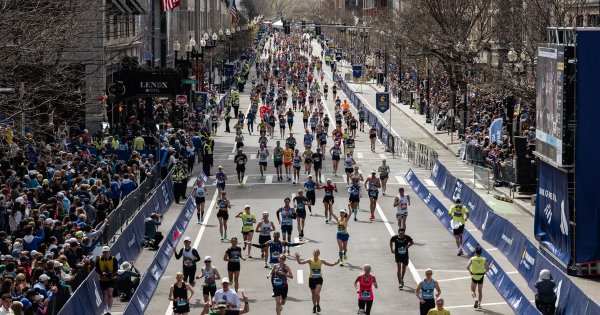
Do you reframe, focus on getting healthy enough to shuffle-jog for 26.2 miles, and treat your once all-consuming obsession race as a fun parade through a mid-sized or major city? Big marathons can be incredible experiences even if you don’t have specific time-based aspirations for them—just ask the vast majority of the people who finish them.
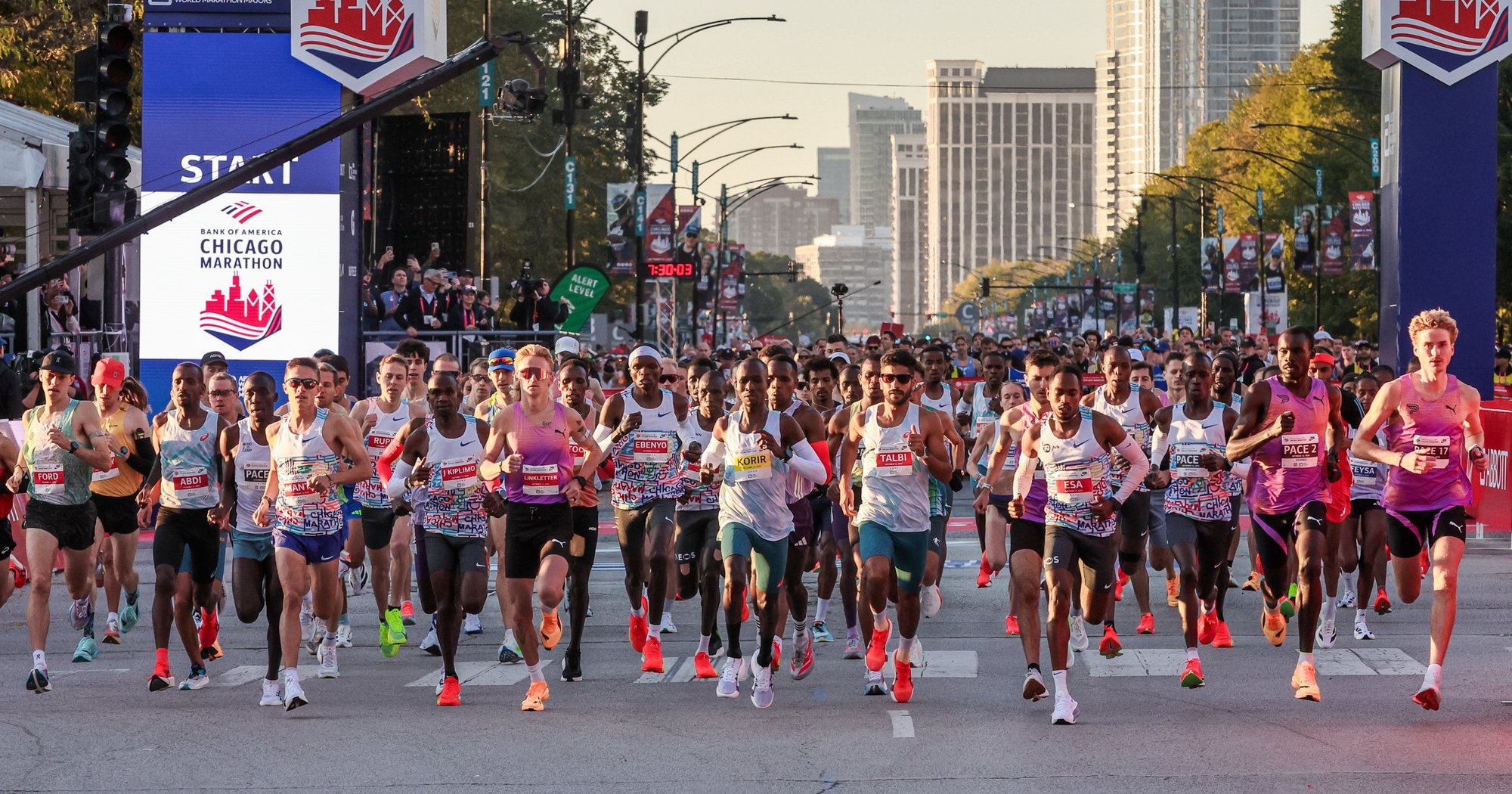
Do you take your lumps and walk away from this particular plan? You can consider your abandoned entry fee a small donation to the elite athletes’ prize pool, make yourself physically ill from excessive Zwifting, then hit the ground running—with an overdeveloped aerobic system—for some early spring road races.
Or do you defer to next year (many races, like the New York City Marathon now allow this—the deadline to do so is October 31st, just FYI!) and risk repeating the exact same scenario again? In the immortal words of fictional mathematician Will Hunting, “You played a hand and you f***ing lost. Some people would have the sack to lose a big hand like that and still come back and ante up again.”
Whichever road you hobble down, just remember two things:
One, that autumn is a tragically short and beautiful time of year, so even if you’re hunkering down for a desperate surge of cross-training, spend some time outside soaking it in… something you can do without running. Go for a walk, touch a pumpkin, hear the leaves crunch beneath your feet.
And two—relatedly—running is supposed to be fun. Unless your livelihood depends on it, you can and should take a break if every step you take is a source of mental and physical anguish. There will be other races. And maybe, just maybe, you’ll be healthy enough to enjoy racing one.

Paul Snyder
Paul Snyder is the 2009 UIL District 26-5A boys 1600m runner-up. You can follow him on Bluesky @snuder.bsky.social.